






Creating a productive home office space is essential for anyone working remotely or managing tasks from home. A well-designed workspace not only helps improve focus but also promotes better work habits and overall wellbeing. Whether you have a dedicated room or a small corner, these tips will help you build an environment that encourages efficiency and comfort.
Choose the Right Location
Selecting the right spot for your home office is the first step toward productivity. Ideally, choose a quiet area away from heavy foot traffic and distractions. If possible, use a separate room to establish clear boundaries between work and personal life. If space is limited, a well-organized corner with room for your essentials can work just as well.
Invest in Ergonomic Furniture
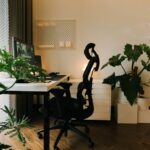
Comfort plays a huge role in how productive you will be during your work hours. Consider investing in an ergonomic chair that supports your spine and adjusts to your height. Pair it with a desk at the proper height to prevent strain on your wrists and shoulders. Standing desks or adjustable desks can also be beneficial, allowing you to change positions throughout the day.
Prioritize Natural Lighting and Add Artificial Light
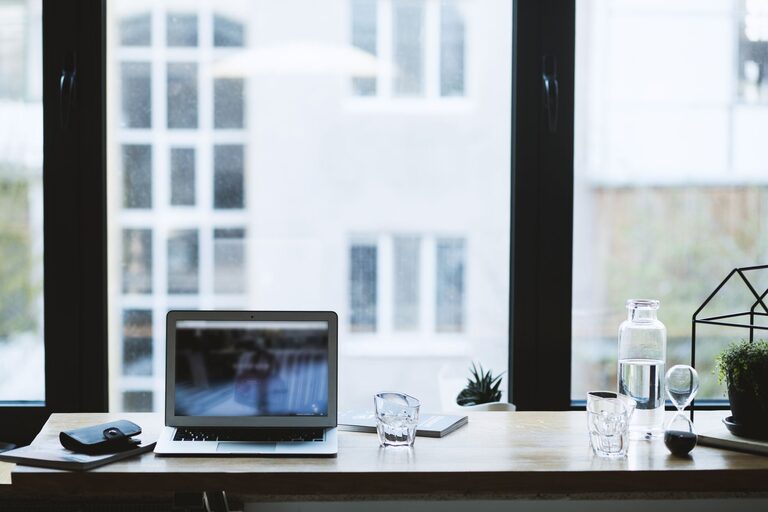
Natural light can boost mood and energy levels, so set up your desk near a window if possible. If your office lacks windows, or you work after dark, include layered lighting options such as a good desk lamp and overhead lighting. Aim for soft, bright lights that reduce eye strain without causing glare on your screen.
Organize Your Space Efficiently
Clutter can hinder focus. Keep your workspace organized by using shelves, drawers, and organizers to store supplies and documents. Regularly declutter your desk, keeping only the items you need for your current tasks. Labeling storage bins and files can save time and reduce stress when searching for materials.
Use Technology Wisely
Ensure your tech setup supports your workflow. Invest in a reliable computer, a fast internet connection, and necessary peripherals like a quality keyboard and mouse. Use cable organizers to manage cords and keep your desk tidy. Consider noise-canceling headphones if you need to block out background noise during calls or deep work.
Add Personal Touches
Your home office should be both functional and inspiring. Add personal touches like plants, artwork, or photos that motivate you but avoid excessive decorations that distract from work. Plants can improve air quality and bring a sense of calm to your environment.
Set Clear Work Hours
Even in a home office, establishing a routine helps build discipline. Set clear working hours and take regular breaks. Use timers or apps to remind yourself to stretch or step away from the screen. Maintaining a schedule helps separate work time from personal time, reducing burnout.
Minimize Distractions
Identify potential distractions and find ways to reduce them. This might mean using noise machines, setting boundaries with family members during work hours, or turning off non-work-related notifications on your phone. A quiet, focused environment contributes significantly to productivity.
Keep Essentials Within Reach
Arrange your desk so frequently used items like pens, notebooks, and your phone are within arm’s length. This setup minimizes interruptions and keeps your focus on tasks. Avoid overloading your desk with unnecessary equipment to maintain a clean workspace.
Implement a Daily Cleaning Routine
Spend a few minutes at the end of each day tidying your office. Wiping down your desk, organizing papers, and resetting your supplies helps prepare you for the next workday. A clean environment can reduce stress and improve motivation.
—
By thoughtfully creating your home office space with these tips, you can enjoy a more productive and enjoyable work-from-home experience. Remember, the goal is to build a comfortable, organized setting that supports your professional goals and promotes wellbeing.