







Creating a cozy and inviting home workspace can transform the way you work and boost your productivity. Whether you’re working remotely full-time or just need a dedicated spot to focus on projects, the right space will help you feel comfortable, motivated, and inspired. Here are some practical tips to help you design a home office that balances comfort and function.
Choose the Right Location
Start by selecting a spot in your home that suits your work style. Ideally, this area should have:
– Good natural light — it helps reduce eye strain and lifts your mood.
– Minimal distractions — pick a quiet corner or a room away from frequent household noise.
– Enough space — ensure you have room for your desk, chair, and any equipment you need.
If space is limited, a well-organized nook or even a stylish desk setup in a living area can work well.
Invest in Comfortable Furniture
Your comfort is key to maintaining focus throughout the day. Consider these elements when choosing furniture:
– Ergonomic chair: Look for adjustable height, lumbar support, and plenty of padding.
– Desk height: Make sure the desk surface is at a comfortable height to avoid strain.
– Storage solutions: Shelves, drawers, or filing cabinets help keep supplies within reach and reduce clutter.
Remember, sitting correctly and being comfortable can prevent aches and improve productivity.
Personalize Your Space
Adding personal touches makes your workspace more inviting and can encourage creativity.
– Colors: Choose calming or uplifting colors such as soft blues, greens, or warm neutrals.
– Decor: Include artwork, inspirational quotes, or plants that bring life into the room.
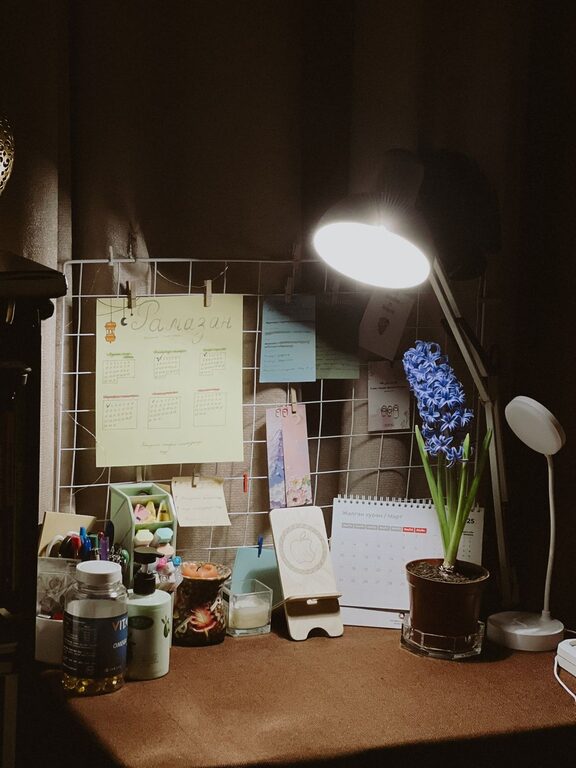
– Lighting: Besides natural light, use warm desk lamps or fairy lights to create a cozy ambiance during darker hours.
Personal comfort encourages longer, more enjoyable work periods.
Organize Efficiently
A clutter-free workspace fosters focus and reduces stress. Tips for staying organized include:
– Use trays or organizers for pens, papers, and accessories.
– Implement a filing system — physical or digital — for important documents.
– Maintain cable management to keep cords tidy and avoid tangles.
Set aside a few minutes at the end of each day to tidy your workspace. A clean area will welcome you back the next morning.
Incorporate Functional Technology
Ensure your technology supports your work needs without causing frustration.
– Choose a reliable computer, monitor, and accessories.
– Use a wireless keyboard and mouse to reduce clutter.
– Invest in noise-canceling headphones if you’re in a noisy environment.
Also, consider setting up multiple screens if your work requires it, as this can enhance efficiency.
Pay Attention to Lighting
Proper lighting is essential for comfort and eye health.
– Position your desk near windows to make the most of daylight.
– Use adjustable desk lamps to control brightness levels according to the task.
– Avoid harsh overhead lighting or glare on screens.
Correct lighting reduces eye strain and keeps you more alert.
Create Zones for Different Tasks
If your workspace is large enough, designate areas for different types of work:
– A primary desk zone for your computer and main tasks.
– A reading or brainstorming area with comfortable seating.
– A storage zone with easy access to supplies.
Having clearly defined zones can stimulate productivity and keep your work organized.
Maintain Good Air Quality
Fresh air and a comfortable temperature are important for concentration.
– Keep windows open to circulate fresh air when weather permits.
– Use an air purifier or plants to improve air quality.
– Adjust heating or cooling to suit your comfort for long work sessions.
A pleasant environment supports your well-being and productivity.
Take Breaks and Move Around
Design your workspace with breaks in mind.
– Keep your space clutter-free so you can easily stand or stretch.
– Consider a sit-stand desk to change positions throughout the day.
– Add a small area mat or footrest for comfort.
A workspace that promotes movement helps maintain energy and reduces fatigue.
Final Thoughts
Creating a cozy and inviting home workspace is about blending comfort, organization, and personal style. By choosing the right location, investing in ergonomic furniture, and adding thoughtful touches, you’ll design a space where work feels enjoyable and productive. Regular upkeep and attention to your environment will ensure your workspace continues to inspire and support your best work every day.