





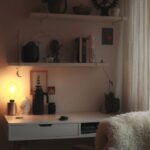


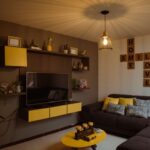

Creating a calm and productive workspace at home is essential for anyone who wants to balance comfort with efficiency. Whether you work remotely full-time, freelance, or just need a dedicated spot for occasional tasks, the environment you design can greatly impact your focus and stress levels. Here are practical tips to help you set up a workspace that nurtures calmness and productivity.
Choose the Right Location
Selecting the best spot for your workspace is the first step. Ideally, find a quiet corner or room where interruptions are minimized.
– Avoid High-Traffic Areas: Places like the kitchen or living room can be noisy and cluttered.
– Consider Natural Light: Work near a window if possible, as natural light can improve mood and energy.
– Think About Privacy: If you share your home, choose a space that allows you privacy during work hours.
Declutter and Organize
A cluttered workspace can be distracting and stressful. Keeping your area tidy helps your mind stay clear and focused.
Tips for decluttering:
– Limit Items on Your Desk: Only keep essentials like your computer, mouse, notebook, and a pen.
– Use Storage Solutions: Drawer organizers, shelves, or bins can help keep items out of sight but accessible.
– Daily Cleanup Routine: Spend 5 minutes at the end of each day to tidy your workspace.
Invest in Ergonomic Furniture
Comfort is key for long hours of work. Ergonomic furniture supports good posture and prevents physical strain.
– Desk: Choose a desk sized appropriately for your tasks without feeling cramped.
– Chair: An adjustable chair that supports your back and encourages good posture is worth the investment.
– Monitor Setup: Position your monitor at eye level to avoid neck strain.
Personalize Your Workspace Wisely
Adding personal touches can make your workspace pleasant and inviting, but be mindful not to overdo it.
– Add Plants: Greenery can reduce stress and improve air quality.
– Incorporate Soft Lighting: Desk lamps or string lights can create a warm atmosphere.
– Use Calming Colors: Soft blues, greens, or neutrals are known to help maintain calmness.
Manage Noise Effectively
Noise can be a major distraction. Depending on your environment, you may need different strategies to manage sound.
– Noise-Canceling Headphones: Useful if you can’t control background sounds.
– White Noise Machines or Apps: These can mask distracting noises and create a consistent ambient sound.
– Background Music: Soft instrumental music may enhance focus for some people.
Establish Clear Boundaries
Creating a mental and physical boundary between work and leisure helps with productivity.
– Dedicated Workspace Only: Avoid working from your bed or couch.
– Set Work Hours: Define when your workday starts and ends, and share this with family or roommates.
– Use Visual Cues: A desk lamp or closed door can signal “working time” to those around you.
Keep Technology Organized and Efficient
Technology is central to most home workspaces, but it can also be a source of distraction or chaos.
– Cable Management: Use clips or sleeves to keep cables neat and prevent tangles.
– Limit Digital Clutter: Regularly organize files and delete unnecessary items on your devices.
– Use Productivity Tools: Apps and timers can help you stay on track and manage tasks.
Incorporate Break and Movement Opportunities
Taking breaks and moving throughout your workday helps maintain focus and physical health.
– Schedule Breaks: Use techniques like the Pomodoro method (25 minutes work, 5 minutes break).
– Have a Stretch Area: A space or mat for quick stretches or yoga can refresh your body.
– Stay Hydrated: Keep a water bottle nearby to remind yourself to drink water.
Personal Reflection and Adjustment
Remember, your needs may change over time. Regularly assess your workspace and adjust to maintain comfort and productivity.
– Seek Feedback: If you share your space, ask for input on how to improve the environment.
– Experiment: Try different arrangements, lighting, or tools to find what works best.
– Prioritize Well-Being: Your workspace should support both your work and your comfort.
—
Setting up a calm and productive workspace is an ongoing process. By choosing the right spot, staying organized, investing in comfort, and creating clear boundaries, you can make your home office a place where focus and tranquility coexist. Start with small changes, and soon you’ll notice a positive difference in how you work and feel.